Castle Turret: A Decorative Font for Bold Web Headers
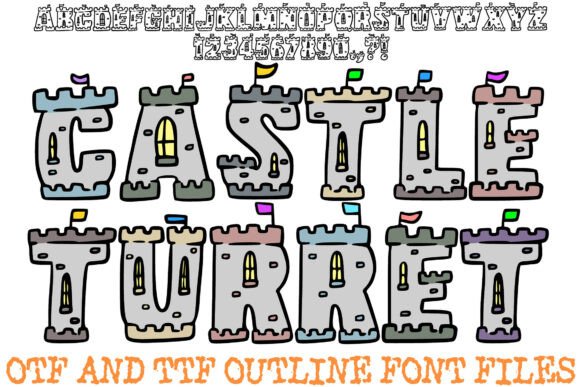
Castle Turret is not just another set of Fonts; it is a strategic design asset that allows web designers to infuse immediate character into digital interfaces. As a Decorative typeface, it commands attention by transforming standard alphanumeric characters into fortified stone strongholds, offering a unique visual language for brands that need to stand out in crowded online spaces. When you integrate this hand-drawn aesthetic into your workflow, you are not merely adding text; you are building a narrative structure that supports user engagement and reinforces brand identity through distinct typographic choices.
Establishing Visual Hierarchy with Castle Turret Display Typography
In modern web design, visual hierarchy dictates how users scan and process information. Castle Turret serves as an excellent tool for defining top-tier hierarchy elements because its heavy, structural forms naturally draw the eye. Unlike generic sans serif fonts that blend into the background, this Decorative font creates immediate focal points in hero sections and landing page headers. The weight and texture of the letters act as graphical elements, reducing the need for excessive imagery or complex layouts to achieve impact. By using Fonts with such strong personality, designers can guide the user’s journey from the initial headline down to the call-to-action buttons, ensuring that the most critical message is received first. This approach is particularly effective for single-page applications or product launches where clarity and immediate emotional connection are paramount.
Optimizing Hero Sections and Landing Page Impact
When designing high-conversion landing pages, the hero section must communicate value instantly. Castle Turret excels here by providing a sense of stability and grandeur. Its stone-like appearance suggests durability and trust, which can subtly influence user perception of a brand’s reliability. For digital product creators, using this typeface for main headlines can differentiate a course sales page or a SaaS homepage from competitors who rely on sterile, corporate typography. However, readability remains crucial. Because Castle Turret is highly detailed, it performs best at larger sizes. Designers should reserve it for H1 and H2 tags, ensuring that the intricate details of the "fortified" letterforms remain legible on desktop monitors without becoming pixelated or muddy on smaller screens.
Enhancing Brand Identity Through Decorative Font Pairing
A successful digital brand identity relies on contrast and balance. Castle Turret, with its robust and ornate nature, requires careful pairing to maintain usability across a website. Combining this Decorative display font with a clean, neutral sans serif font for body copy creates a professional and readable experience. The simplicity of the body text allows the Fonts used in headings to shine without overwhelming the reader. This pairing strategy is essential for maintaining accessibility standards while still achieving a distinctive aesthetic. For instance, a boutique online store might use Castle Turret for category headers and promotional banners, while employing a lightweight sans serif for product descriptions and checkout processes. This ensures that the decorative elements enhance the brand story without interfering with the functional aspects of the user interface.
Strategic Use in Digital Ads and Social Media Graphics
Beyond the website, Castle Turret offers significant value for social media graphics and digital advertising campaigns. In feed-based platforms where users scroll rapidly, thumb-stopping visuals are critical. The unique silhouette of this typeface makes it ideal for short, punchy phrases in Instagram stories, Pinterest pins, or Facebook ad creatives. Since Decorative fonts often struggle with long-form readability, limiting their use to concise messages ensures maximum impact. Designers can leverage the "stone stronghold" aesthetic to create themed campaigns around security, strength, or heritage, aligning the visual tone with the marketing message. This consistency across digital touchpoints strengthens brand recall and creates a cohesive online presence that feels intentional and polished.
Technical Considerations for Responsive Web Implementation
Implementing Castle Turret in a responsive web environment requires attention to technical details to ensure consistent performance across devices. As a specialized Font, it may have specific file formats such as WOFF2 for optimal web loading speeds. Designers must verify that the font renders correctly on mobile devices, where screen real estate is limited. On smaller viewports, the intricate details of the hand-drawn alphabet might need adjustment through CSS scaling or by switching to a simpler alternative for sub-headings. Additionally, checking for multilingual support and available weights is vital for global projects. If the font lacks bold or italic variants, designers should plan their layout accordingly, perhaps using color or size changes to create emphasis instead of relying on font styles. Proper licensing is also a key consideration; ensuring that the commercial license covers web usage, including embedded fonts in emails or digital templates, protects both the designer and the client from legal issues.
Readability Best Practices for Dark and Light Modes
The versatility of Castle Turret extends to its performance in different color schemes. Whether used on a light background for a clean, editorial look or on a dark background for a dramatic, immersive experience, contrast is key. The solid, block-like nature of the letters ensures they remain visible against various backdrops, but designers should test opacity levels to prevent visual vibration. For dark mode interfaces, slightly increasing the letter spacing can improve legibility, preventing the dense forms from merging together. This attention to detail ensures that the Decorative quality of the font enhances rather than hinders the user experience, regardless of the user’s preferred display settings. By prioritizing these technical and aesthetic adjustments, web designers can deploy Castle Turret confidently, knowing it will perform reliably across diverse digital environments.